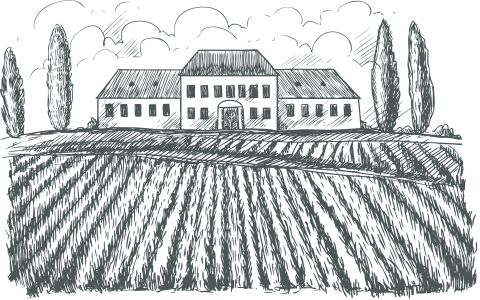
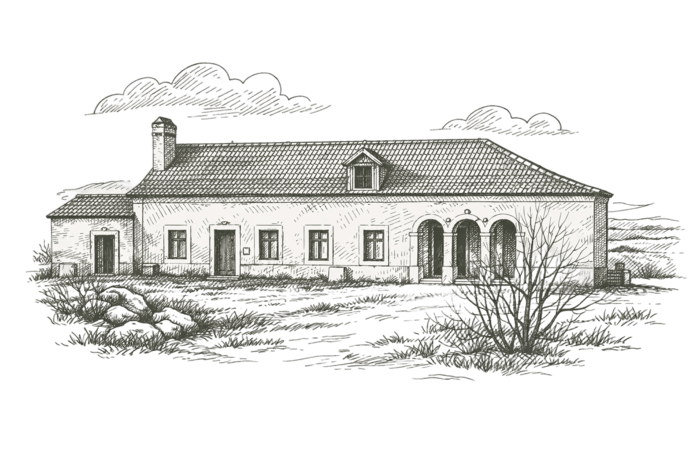
Villa Dona Belida lies in the rural landscape of Achete, in the heart of the Tejo Valley, a region where land and agriculture shaped life for generations.
Fields, olive trees and small farms once defined the rhythm of this place. Like many rural estates of the region, Belida grew quietly over time, shaped by work, seasons and those who lived from the land.
What remains today is part of that same landscape, a place where history was never staged, only lived.
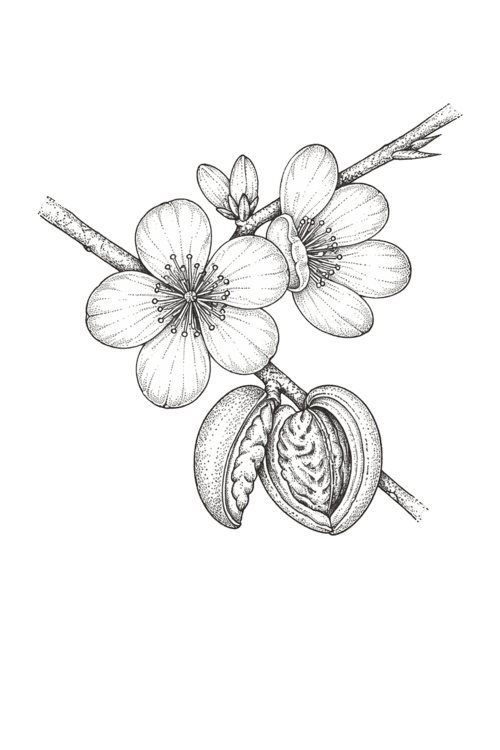
The land of Dona Belida is granted by King John I of Portugal to the Order of Christ, successor to the Knights Templar in Portugal.
1487
Private Estate
Royal concession confirming the estate to Lourenço de Beça, marking the moment when Dona Belida became a private noble estate.
1623
Life on the Royal Lands
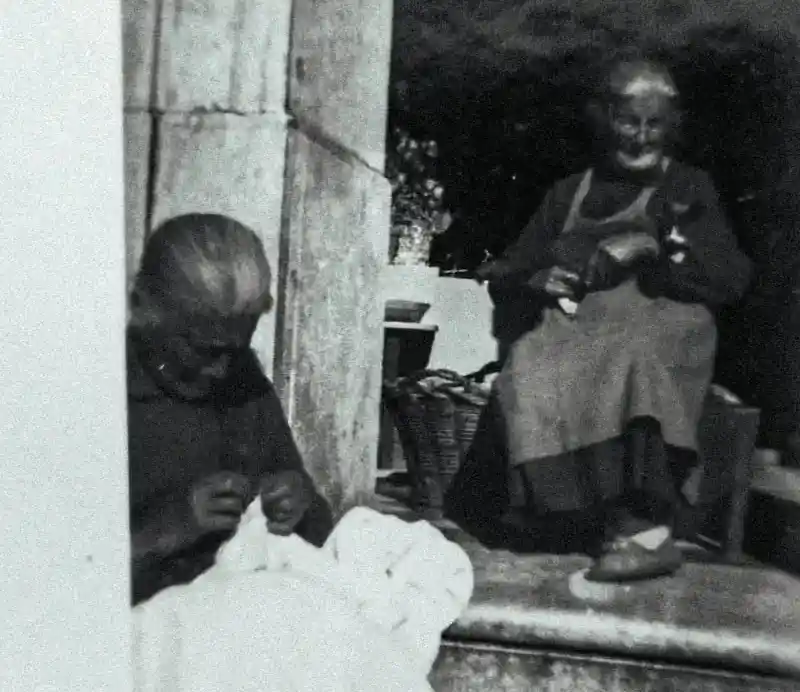
In the 17th century, the lands of Dona Belida were held under the Crown again. Those who lived and farmed its lands offered a yearly tribute to the Crown. Two alqueires of wheat, two chickens, and half a dozen eggs.
1810
The French Invasion
During the Napoleonic invasions of Portugal, French troops looted and damaged the estate, marking a turbulent chapter in the history of Dona Belida.
1911
The Estate Takes Its Present Form
The main residence of Dona Belida was re-built in 1911, together with the surrounding buildings that shaped the estate as it is known today, forming a complex of approximately 2,480 m².
1952
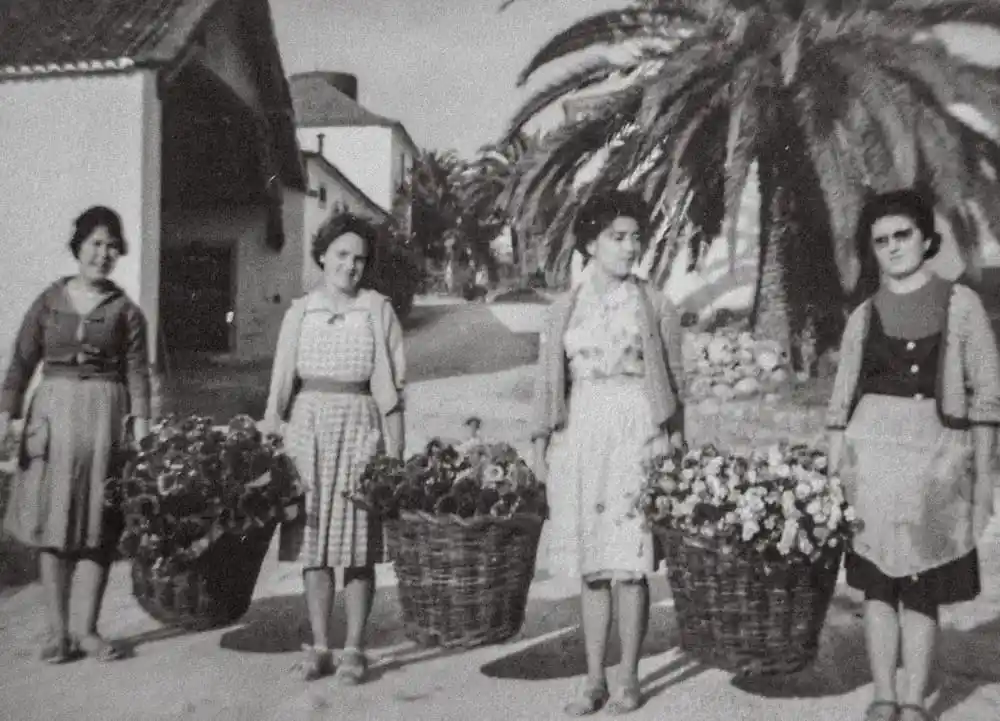
Flower Harvest at the Estate
Roses (Rosa centifolia) and carnations, flowers long cultivated in the gardens of Villa Dona Belida, were traditionally harvested and gathered in large wicker baskets for decoration, local festivities, and household use.
2023
Rediscovering Belida
A new chapter begins with the restoration of the historic estate, where flowers are once again harvested from the gardens and their essence captured through the art of perfumery.
Villa Dona Belida enters a new era: a restored estate where heritage, nature and craftsmanship meet again, continuing a story that began more than six centuries ago.
Villa Dona Belida enters a new era: a restored estate where heritage, nature and craftsmanship meet again, continuing a story that began more than six centuries ago.